

State of theWorld’s Birds
A focus on migratory species and their flyways
IntroductionFlyways
Every year, billions of birds migrate vast distances across the globe to take advantage of seasonally changing resources. The broad routes they use are called ‘flyways’: avian super-highways in the skies.
Four major flyway systems have been identified for migratory landbirds and waterbirds, and a further six for seabirds. Between them, these flyways contain the majority of migratory bird movements, encompassing breeding and non-breeding areas as well as the network of sites used to rest and refuel during migration.

All flyways

Showing All flyways
Flyways span entire oceans and continents, collectively connecting every country in the world
Birds that breed, stopover on passage or spend the non-breeding period in one country depend on sites in many others throughout their annual cycle. This exposes them to a wide range of threats and makes their conservation a shared responsibility.
Analysis of data on breeding and non-breeding countries for migratory birds reveals the scale of connectivity. Most countries are linked to many others through bird migration, with some emerging as particularly well connected.
All flyways

Most connected countries
- Russia
- Canada
- United States of America
- Kazakhstan

StateStatus & trends

Birds are powerful indicators of environmental health and are better studied than any comparable group of organisms
This wealth of information enables a detailed assessment of the status of migratory birds across the world’s terrestrial and marine flyways.
The findings are alarming. Many formerly common species now have depleted populations, with 45% of all migratory bird species in decline. Species that use marine habitats, forests and coastal wetlands are faring particularly poorly.
All flyways
- Decreasing
- Stable
- Increasing
- Unknown
Worldwide, 11% of migratory bird species are threatened with extinction...
...and seven species are confirmed or suspected to have been lost in the last 150 years. Seabirds and shorebirds are among the most threatened groups.
All flyways
- Extinct
- Critically Endangered
- Endangered
- Vulnerable
- Near Threatened
- Least Concern
- Data Deficient
The overall extinction risk of migratory birds is increasing
With more species deteriorating in status because of increasing pressures than are improving in status due to reduced pressures, for example following successful conservation action.
Red List Index
Filter by flyway
All flyways
- Red List Index
- Confidence interval

PressureThreats & drivers
The drivers of these declines are well understood and are overwhelmingly caused by human actions
Most migratory species face multiple threats along their flyways, leading to cumulative impacts and high mortality during migration.
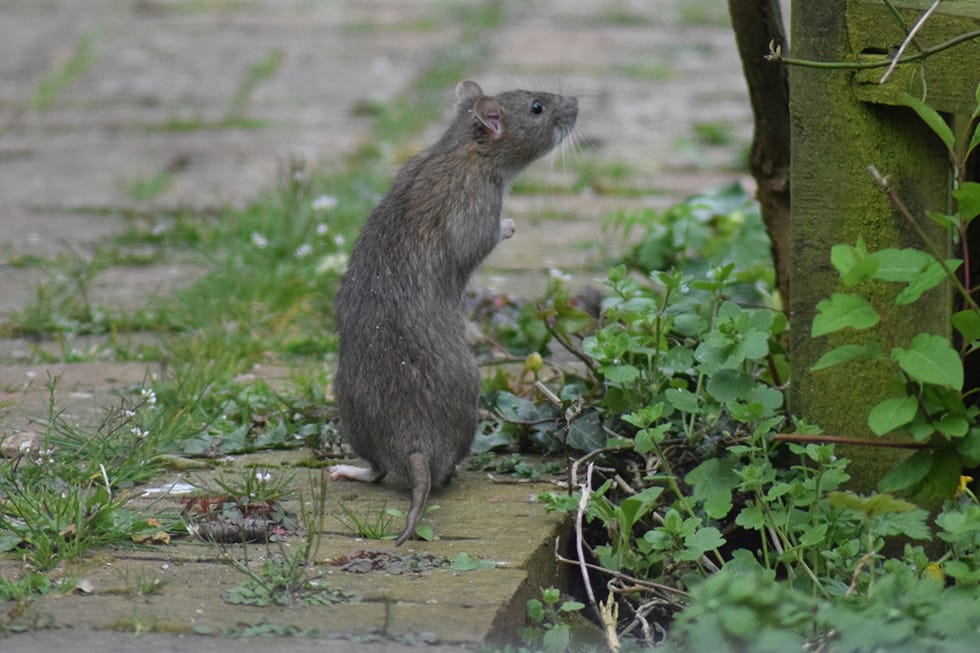
- Invasive alien species and diseases139Threatened species
- Agriculture103Threatened species
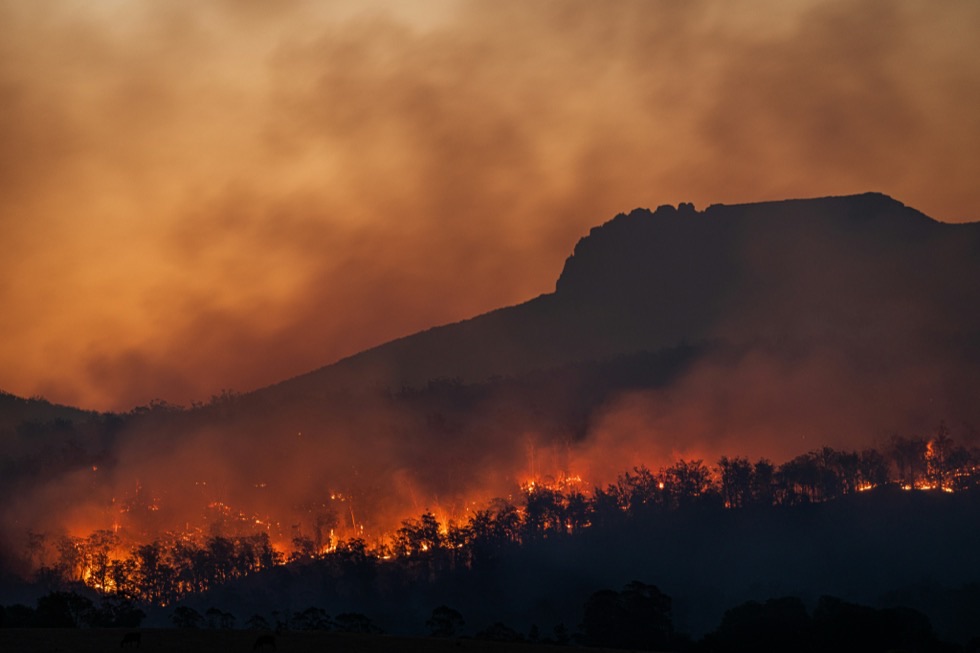
- Climate change103Threatened species
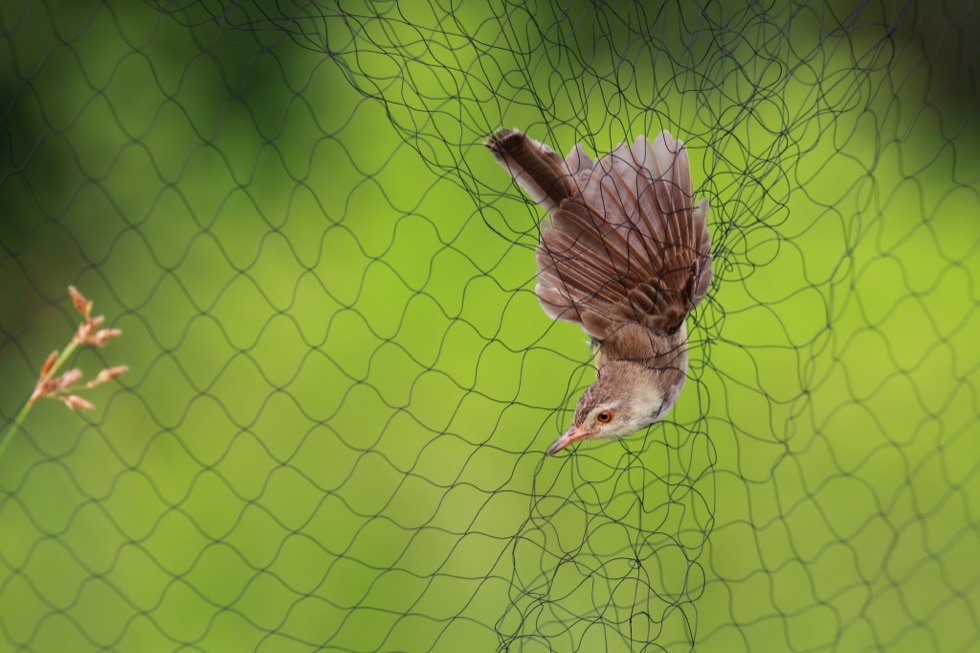
- Hunting and trapping99Threatened species
- Pollution96Threatened species
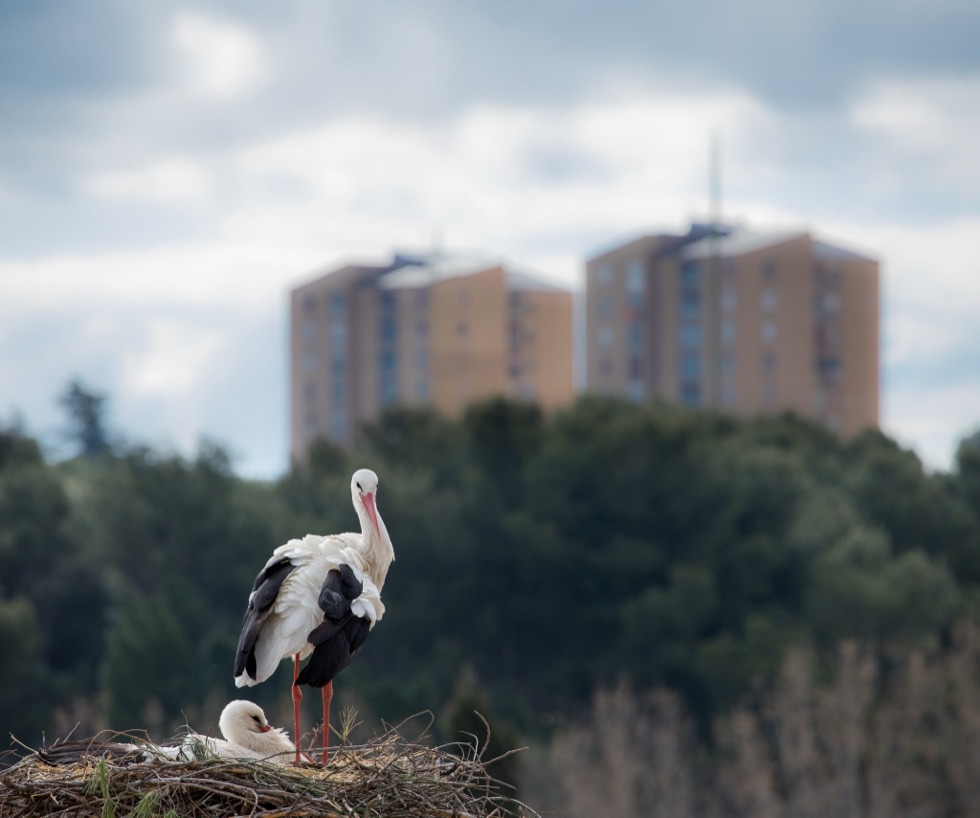
- Urban development71Threatened species
- Human disturbance65Threatened species
- Fisheries62Threatened species
- Energy infrastructure55Threatened species
- Logging39Threatened species

















ResponseAction needed
The pressures facing migratory birds are significant, but fortunately the solutions are well understood. Around the world, evidence-based conservation is restoring habitats, preventing extinctions and helping populations recover.
From protecting critical sites and restoring ecosystems to reducing direct threats and providing targeted support to the most threatened species, conservation action can make a measurable difference.

Depends on sustainably managed production landscapes throughout its flyway
DataZone species factsheetDelivering these interventions depends on a suite of enabling conditions
Lasting change depends on the people, policies, partnerships and investment that make implementation possible. Because migratory birds cross borders throughout their annual cycle, effective conservation requires coordination across countries, sectors and communities.
Birds provide both a warning and a source of hope
However, current efforts remain insufficient
Following the adoption of the Kunming-Montreal Global Biodiversity Framework in 2022, progress towards achieving the goals and targets agreed by 2030 remains far too slow.
To safeguard the future of migratory birds, we have a bold vision for the world’s flyways
A world where migratory bird populations are thriving—connecting ecosystems, countries and people across continents.
A world in which the network of sites, habitats and landscapes that sustain migration has been protected, restored and reconnected, allowing birds to move safely along their flyways.
A world where we have acted for nature, climate and people by mobilising finance, transforming the sectors that drive biodiversity loss, reviving critical habitats, ending unsustainable killing, and ensuring infrastructure is safe for nature.
This vision is within reach
The science is clear, the solutions are known, and examples from around the world demonstrate that conservation works. What is needed now is for governments, businesses and wider society to step up and implement these solutions at the scale and pace required to meet the goals and targets of the Global Biodiversity Framework. This will secure a future in which migratory birds—and the ecosystems upon which we all depend—can thrive.